-

How Many Weeks in a Century?
A century holds 5,217.75 weeks on average, or 5,217 weeks plus 5 days for 2001 to 2100. See the leap-year math. Read the full guide now!
-

How Many Weeks Until Summer?
From October 26, 2026, summer 2027 is exactly 34 weeks away. See the countdown, start dates, and planning tips. Read the full guide now!
-
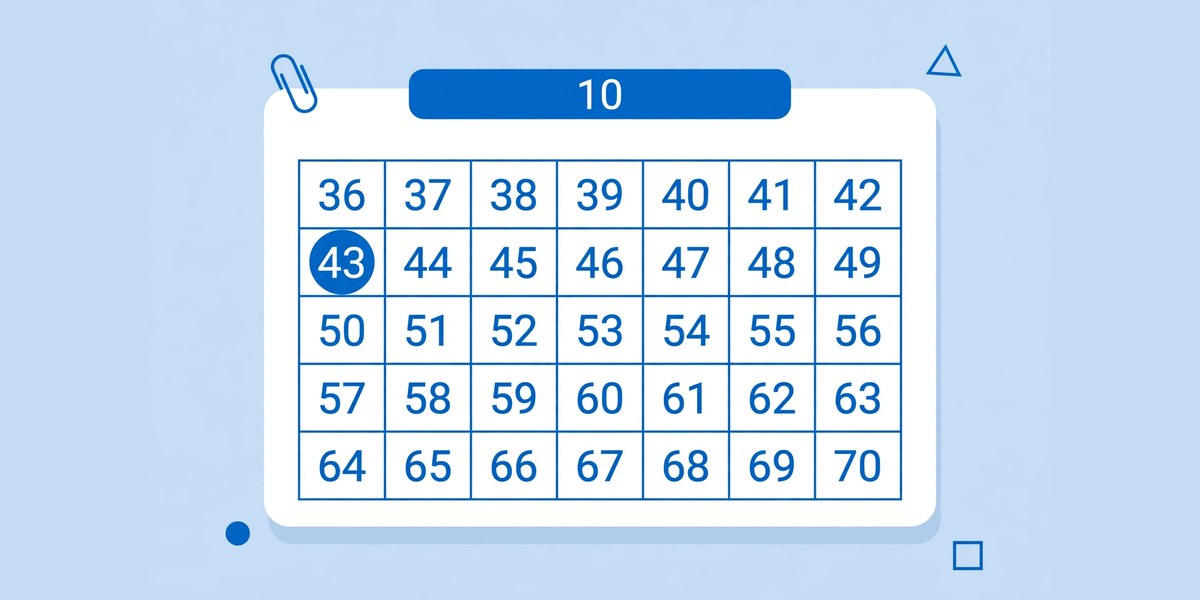
What Week of the Year Is It? Find the Week Number
Direct answer: There is no single week number for today, because two systems compete. Under ISO week numbering, the global standard, October 23, 2026 falls in week 43. Under the common US system, where weeks start on Sunday, the same day falls in week 42. Both answers are correct. They simply follow different rules,…
-

How Many Weeks Are in 12 Months? Simple Answer
Direct answer: Twelve months contain 52.14 weeks. The math is simple: a common year of 12 months has 365 days, and 365 divided by 7 equals 52.14. Put another way, 12 months hold 52 full weeks plus 1 leftover day, or 2 leftover days in a leap year. That leftover day is the reason…
-
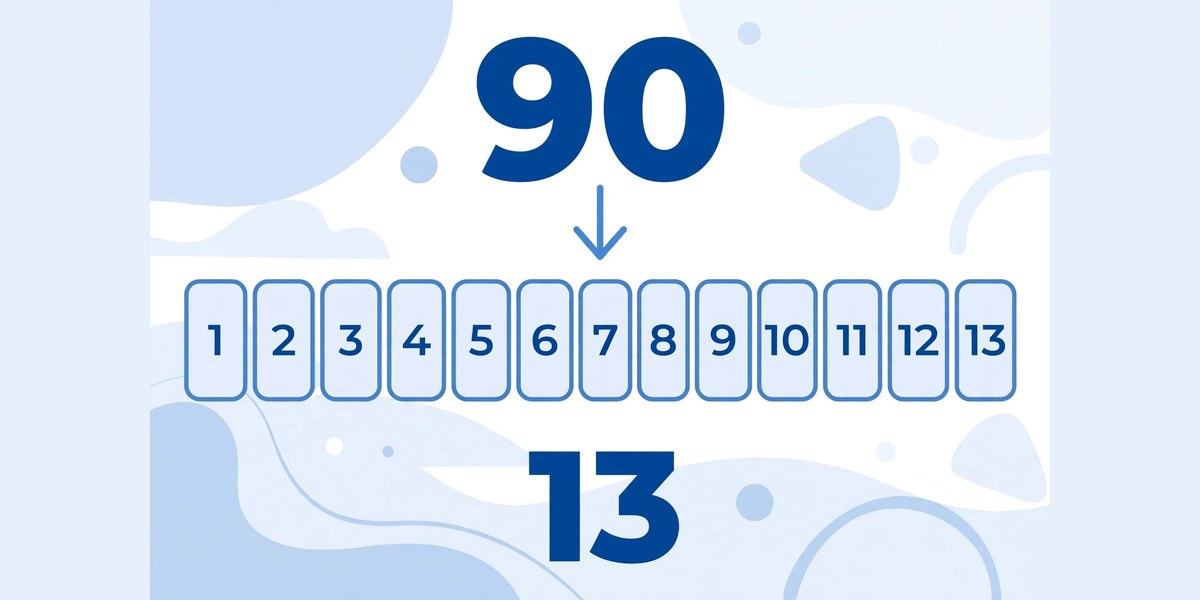
How Many Weeks in 90 Days? Simple Answer
90 days equals 12 weeks and 6 days. Learn the simple conversion method with examples. Read the full guide now!
-
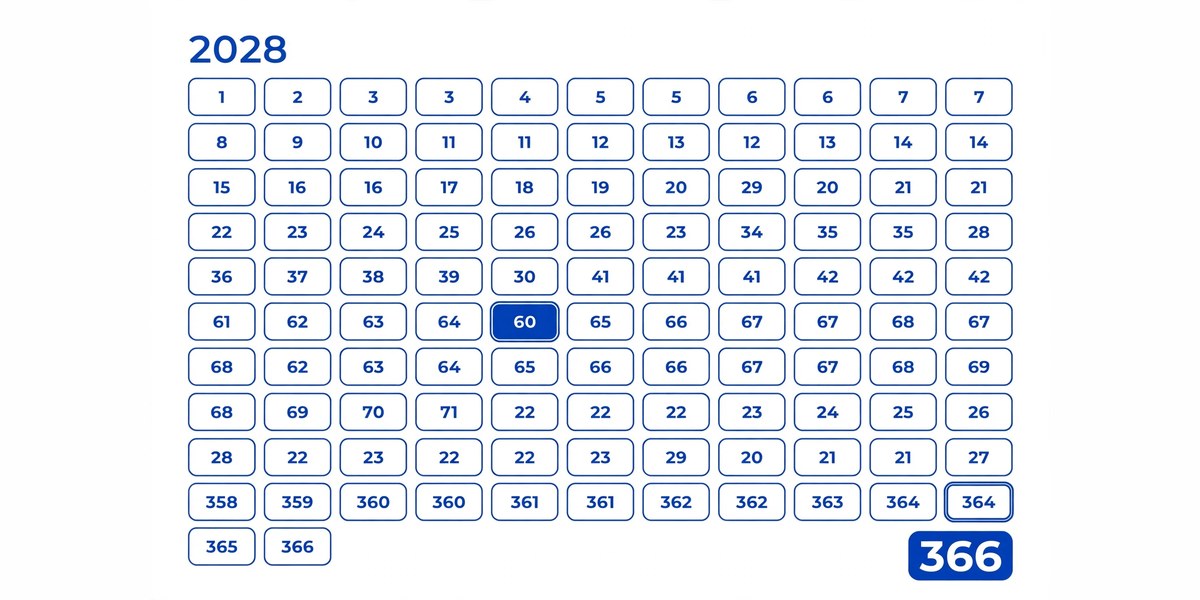
How Many Weeks in 2028? Full Year Breakdown
2028 is a leap year with 366 days. See the full week-by-week breakdown, holidays, and ISO weeks. Read the full guide now!
-

How Many Weeks in a Lunar Year?
A lunar year has 354 days, or 50 weeks and 4 days – 11 days shorter than a solar year. Learn how lunar calendars work. Read the full guide now!
-

How Many Weeks Until Christmas? (2026 Countdown)
Christmas 2026 is 9 weeks and 3 days from October 20. Get the full week-by-week countdown, key US holiday dates, and planning tips. Read the full guide now!
-
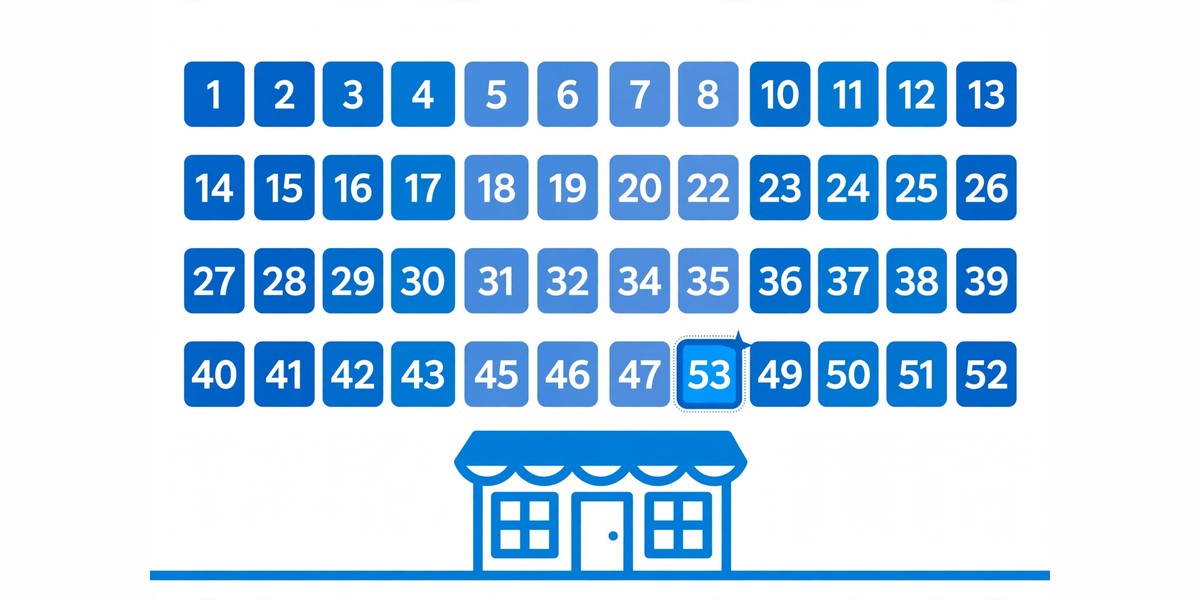
What Is a 52-53 Week Year in Retail?
Some US retail fiscal years run 53 weeks instead of 52 under the 4-5-4 calendar. Learn how the extra week is added and why it matters. Read the full guide now!
-
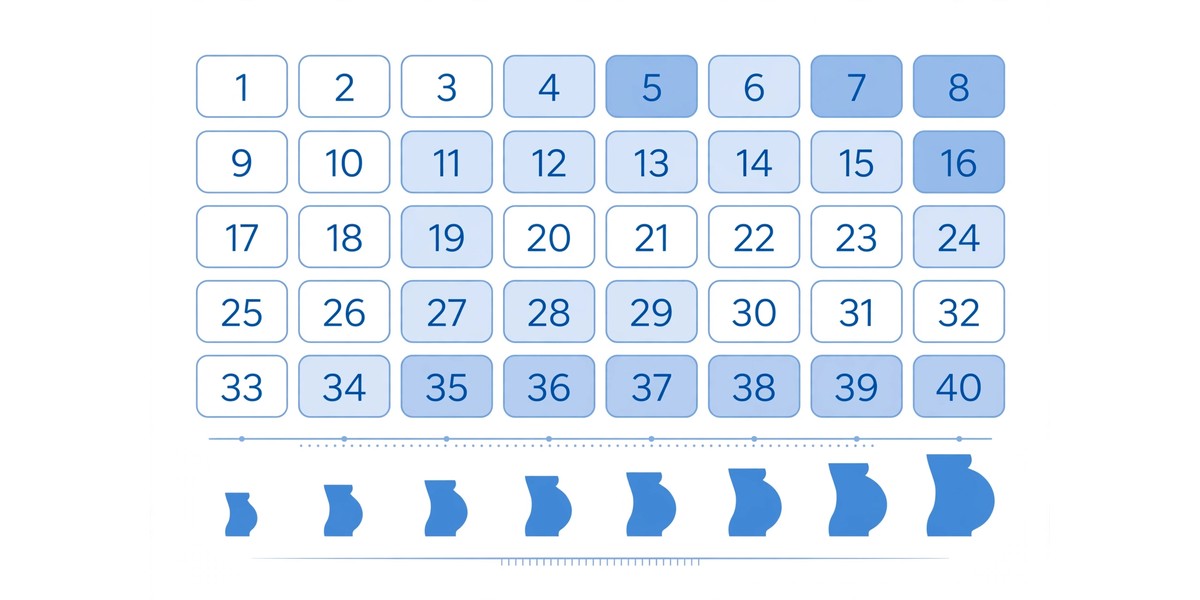
How Many Weeks Are in a Pregnancy?
Pregnancy is counted as 40 weeks from the last menstrual period. Learn the 280-day math, trimester weeks, and how due dates are set. Read the full guide now!